How to Get So Good at Valorant It Feels Like Smurfing
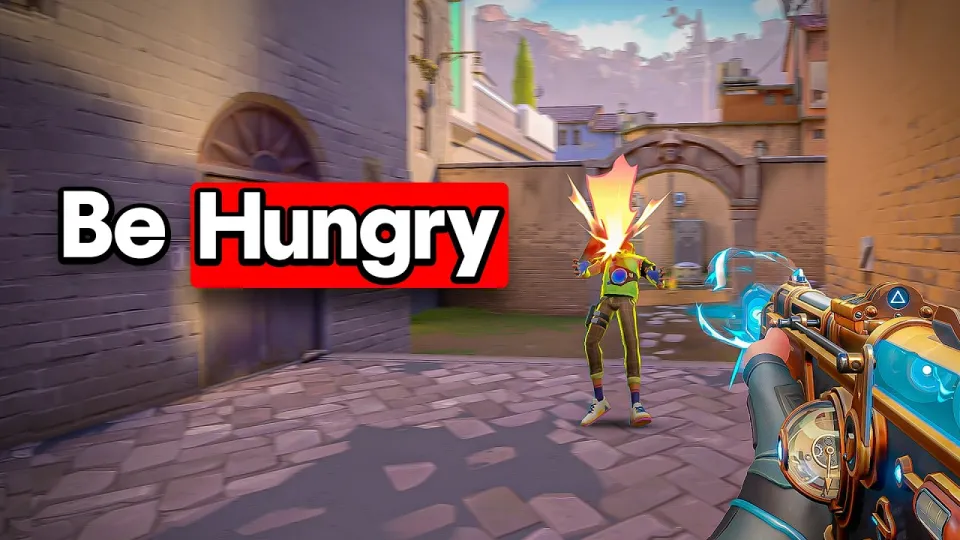
Video: How to Get So Good at Valorant it Feels Like Smurfing
You can order the same kind of articles for your own video to boost it on YouTube and Google. Just message the Telegram bot @sat_sit_bot. It writes articles around your video, embeds the video and publishes them on popular niche websites (no ads). Try it free: 50 articles on us.
· based on the channel Konpeki
Getting so good at Valorant that you look like a smurf comes down to two habits: react to what the enemy is actually doing instead of forcing a rehearsed play, and stay unpredictable so nobody can pre-aim your usual angle. Mechanical skill matters, but the players who feel like smurfs in ranked win duels because they read the fight a beat earlier and change their timing on purpose. Coach Konpeki breaks this down in the video "How to Get So Good at Valorant it Feels Like Smurfing", and if you want a structured path instead of guesswork, you can apply for the Immortal Roadmap Program, which promises five divisions in ten weeks.
What makes a Valorant player feel like a smurf
A smurf is not a player with magic crosshair placement — it is a player whose decisions are one layer ahead of the lobby. The gap shows up in three places.
- Reaction instead of routine. Lower-rated players commit to a plan before they have information: they swing the same angle, hold the same off-angle, and push on the same timing every round. Stronger players wait for a cue — a footstep, a utility sound, a teammate's contact — and then choose.
- Unpredictability. If the enemy team can predict where you will be, they will pre-aim you and win the trade. Varying your position, your peek timing and your aggression level forces them to guess.
- Economy discipline. Smurf-level impact often comes from buying correctly: full buys with your team, saves when the round is lost, and no half-buys that hand the enemy free rifles.
The practical takeaway from the video is blunt: react to the enemy and stay unpredictable. Everything else — aim, utility, movement — is in service of those two ideas.
How to practise reaction-based dueling
The goal of practice is to make reacting automatic, so you are not thinking about mechanics during a fight. Build a short, repeatable routine.
- Range warm-up, 10–15 minutes. Strafe between two points and fire one tap each time your movement switches direction. The point is to train the stop-and-shoot rhythm that Valorant's accuracy model rewards.
- Counter-strafe deliberately. Tap the opposite key to kill your momentum before you shoot, then resume strafing. This is the single most transferable mechanical habit for peeking duels.
- Deathmatch with intent. Do not chase kills. Pick one duel type per session — wide swing, jiggle peek, or holding an off-angle — and only take those fights.
- Review the misses. Clip the duels you lost and ask whether you lost the aim duel or the decision before it.
A common question from players working on movement is whether to fully stop before firing or to keep strafing and shoot as the direction changes. The honest answer is that both exist in real games, but the drill exists to teach your hands the stop-shoot rhythm first; once that is automatic, you can add micro-adjustments. If you use a movement-error overlay in the Range, slowing the multiplier makes the error easier to see while you are learning.
Why unpredictability wins more ranked games than aim
Unpredictability is a strategy, not a personality trait, and it is cheaper to learn than raw aim. Enemies build a mental model of you within the first few rounds: which site you favour, how fast you rotate, whether you push after a kill. Break that model on purpose.
- Change your first-contact timing. If you have pushed mid early three rounds in a row, hold it on the fourth and let the enemy walk into you.
- Rotate your positions. Playing the same anchor spot every defensive round makes you a pre-aim target. Move one angle over, or swap sites with a teammate.
- Vary your aggression. A player who is sometimes passive and sometimes explosive is far harder to read than one who is always either.
- Use utility to change the shape of a fight, not just to deal damage. A smoke that cuts a sightline changes where the duel happens.
This is also why ranked games feel so different from scrims: in ranked, opponents adapt slowly and often tilt, so a single unexpected round can swing the whole half.
Building a ranked routine that actually climbs
Climbing is a volume problem and a focus problem at the same time. Most players improve faster by playing fewer, better games.
- Cap your session. Three to five competitive games with full attention beats ten on autopilot.
- Warm up before you queue, not during your first match. Ten minutes of Range and one Deathmatch is enough.
- Pick a small agent pool. Two agents you know deeply — one for each side if you flex — let you focus on decisions instead of abilities.
- Limit your map pool for review. You can queue everything, but review VODs on the maps you lose most.
- Stop after two losses in a row. Tilted queueing is where RR goes to die.
Treat it like a sport: make a plan, drill the plan, review the plan. Players who approach ranked as a training block rather than a grind consistently report faster division gains than those who simply play more hours.
Common questions players ask about smurfing and improvement
Several recurring doubts come up around this topic, and they are worth answering directly.
- "Do I need a high rank to coach or to improve?" No. Improvement is about the quality of your decisions and review, not your current badge. A structured program helps because it removes the guesswork about what to fix next.
- "Does this work on console?" The core ideas — reaction, unpredictability, movement discipline, economy — apply on every platform. Controller players should focus on crosshair placement and peek discipline, since aim assist does not fix bad decisions.
- "How long until I see results?" Mechanical habits take a few weeks of consistent drilling; decision-making changes show up faster, often within a week of deliberate review.
- "Is this just the same advice as every other guide?" The difference is emphasis: this approach treats unpredictability and reaction as the primary skills and mechanics as support, rather than the reverse.
Useful links
- Immortal Roadmap Program application: https://roadmap.gg/v/lUfrMRb74SE
- Free coaching resources and office hours on Discord: https://www.discord.gg/UnRETVmRpV
- Twitch: https://www.twitch.tv/konpekichan
- Twitter: https://twitter.com/coachpeki
- TikTok: https://www.tiktok.com/@coachpeki
The bottom line on playing like a smurf
Smurf-level Valorant is a decision advantage before it is a mechanical one: react to information, stay unpredictable, and drill the few habits that transfer to real duels. Build a short practice routine, keep your agent and map pool small, review your losses honestly, and stop queueing when tilt takes over. The channel Konpeki frames this as a sport — make a plan, execute it, review it — and that framing is what separates players who slowly climb from players who suddenly look like they do not belong in their rank. If you want the structured version with accountability, start with the Immortal Roadmap Program application and see whether it fits how you play.
Key takeaways
- Smurf-level play is not about raw aim — it is reacting to what the enemy does instead of running a fixed plan.
- Unpredictability beats mechanical skill in ranked: change timing, angle and tempo so enemies cannot pre-aim you.
- Coach Konpeki (channel: Konpeki) frames improvement as a sport: make a plan, drill it, review it.
- Movement and counter-strafe drills in the Range, plus Deathmatch, convert to real duels faster than aim trainers alone.
- Ranked progress comes from a small map pool, one or two agents, and reviewing your own VODs after losses.
Questions & answers
What does it actually mean to play Valorant like a smurf?
It means your decisions are one step ahead of the lobby, not that your aim is superhuman. You react to real information instead of forcing a rehearsed plan, and you stay unpredictable so enemies cannot pre-aim your usual position. Mechanics support those decisions rather than replacing them.
Is aim training or game sense more important for climbing?
Game sense gives faster returns in ranked, because most rounds are lost to bad timing, bad economy or predictable positioning rather than missed shots. Aim training still helps, but pair it with Deathmatch reps that focus on one specific duel type per session.
When strafing in the Range, should I fully stop before shooting?
Learn the stop-shoot rhythm first: tap the opposite movement key to kill momentum, then fire. Once that is automatic you can add micro-adjustments and shoot as your direction changes, which is closer to how real peeks feel.
Does this approach work for console players too?
Yes. Reaction, unpredictability, economy and peek discipline apply on every platform. Controller players should lean harder on crosshair placement and avoiding predictable angles, since aim assist does not compensate for bad decisions.
Source: How to Get So Good at Valorant it Feels Like Smurfing · Markdown version